
Creating a strong brand identity starts with a powerful logo, and understanding how to create a brand logo is an essential skill for entrepreneurs, startups, and designers alike. Whether you are launching a new company or refreshing an existing identity, knowing how to make your own logo helps you stand out in a competitive market. From choosing the right colors and fonts to designing a symbol that reflects your brand values, learning how to create a business logo can elevate your brand’s professionalism and credibility. In this guide, you’ll discover simple, practical steps on how to make a brand logo that is memorable, visually appealing, and perfectly aligned with your business goals
How to Create a Brand Logo That Builds a Strong Identity
Your logo is typically the first impression people get of your business, which is why it should be memorable and memorable. This guide guides users through every step of the process of creating a logo beginning with brainstorming ideas, and defining your brand’s identity to sketching ideas, deciding on colors and establishing your logo.
Whether you are learning how to create a brand logo on your own or collaborating with professional designers, this guide will walk you through simple steps and proven strategies to build a strong visual identity with confidence. You’ll understand how to make your own logo that reflects your brand values, remains visually consistent, and works across different platforms. From concept to execution, you’ll also learn how to create a business logo that is scalable, adaptable, and appealing to your target audience. By following these best practices, you’ll know how to make a brand logo that delivers long-term impact and supports your business growth.
What is a Brand Logo
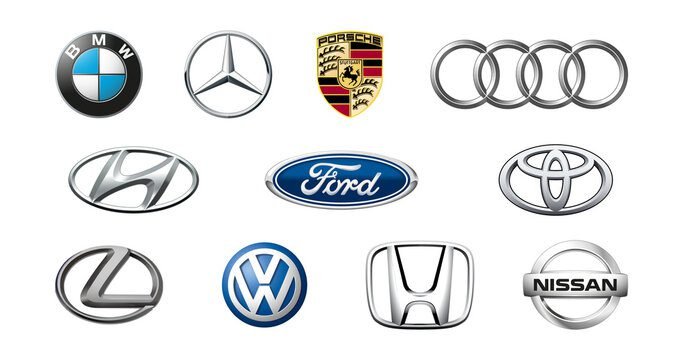
How to create a brand logo first your should know about logo. Logos is a design that is brand-named that serves as a symbol representing the business in question, and reflects what is its primary goal and character. Similar to the iconic Nike swoosh, or McDonald’s golden arches Your logo will be the brand’s face and will act as a recognizable element that people will notice in time, and eventually will associate with trust in your offerings, content or products
How to design a Brand Logo
Postify Design Maker lets you how to create your own logo exactly the way you would like and also customize the design’s details with ease.
You could choose to employ graphic designers however, it can be expensive and you might not have the funds for right now. For more details on the various pricing options, learn more about cost of designing a logo. No matter which option you select the following steps will guarantee a smooth and pleasant process of creating your logo:
- Define your brand’s identity
- Get inspired and think about ideas
- Define brand logo style
- Select one of the types
- Choose the color scheme
- Choose one font
- Outline a logo shape
- Create a logo
- The results can be refined
- Make a final decision
- Use your logo to work
01. Define your brand’s identity
Although your logo is crucial to how important it is to your company however, it’s only a small part of the image. Your brand comprises numerous components that go beyond this such as a website writing content, marketing materials to mention some. Each of these components has the same goal and that is to form a comprehensive image of your brand for you to effectively present and promote your business. How to create a brand logo.
A branding identity defines the distinctive appearance and voice of your company’s brand that you use to express your mission to the the world. It is possible to say that your brand’s identity is your soul of your business and it has to reflect its written and visual elements.
This is why your logo must be in line with your brand’s identity. Also, consider how your brand’s values can be integrated within your branding. If sustainability is a priority for your company How can you let this shine through the design to your final logo? It’s the same with the ethical principles that you value as a company – from trustworthiness to credibility to trustworthiness.
02. Get inspired and think about ideas
Inspiration can come in two forms: from the outside as well as from inside. Therefore, we’ll divide this process into two steps.
The first step is to explore the world of logos that surrounds you. Be aware of the top logos that you encounter frequently Be proactive by conducting research online. You can find pertinent trends in logos and discover interesting logo concepts by perusing various design blogs, or Pinterest boards as well as the the Behance as well as the Dribbble accounts of well-known designers.
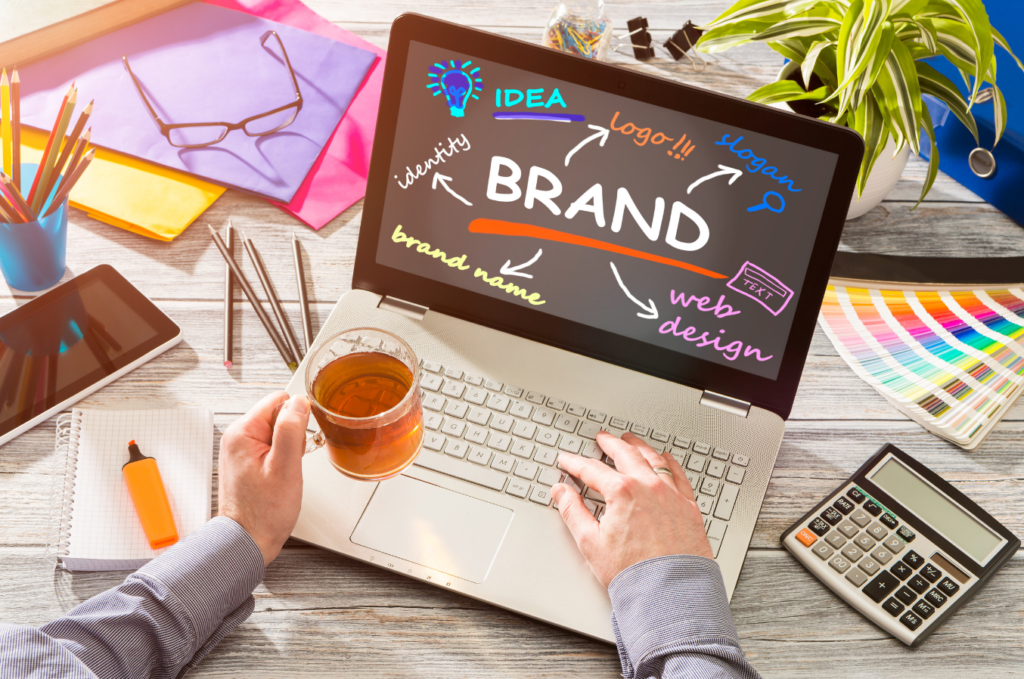
A mind map can be an excellent way to kick with your logo design. It will allow you to consider how various elements can be integrated and how the logo can be utilized in different situations. Mind maps also provide clarity to complicated ideas and offer a view of how the elements connect. They’re frequently used as a beginning point of the design process. They can assist designers to explore various concepts while creating an overall design.
Research on competitors can help you in the development of your logo’s design, too. In this way, you’ll be able to look at what others within your industry are doing, make note of the elements that work and those that don’t and, most importantly, ensure that your logo isn’t too similar to the one of someone else.
Then, search for inspiration in. Take some time to think about your ideas for the ideal logo. Don’t take it too seriously, but make it enjoyable by making your own mood board or listing the adjectives you would use to describe your company’s identity.
Here are some ideas for brainstorming to help you get how to create brand logo started:
What adjectives best describe my brand?
Who is my ideal client?
What colors reflect my brand’s values and my message?
What symbols or letters could I incorporate into my design?
What are my personal favorites logos, and why?
03.Define Brand Logo Style
The various elements in the logo is able to create a cohesive look. By now, you may notice that, just as fine art, there is various designs that a logo could represent.
While determining the direction of style of your logo could seem like a natural decision, you should be doing this while analyzing the components of your brand’s identity as well as the inspiration you’ve gathered.
Do you have a timeless brand? If so, then you should consider an elegant logo with elegant fonts and simple color schemes. Do you consider your brand to be simple? If so it is best to stay clear of using complex images and stick with the contemporary logo style. Do you have a trendy brand? If so, you could go with bold abstract designs or fashionable logo layouts. If you’re trying find out how to design the perfect restaurant’s logo For instance think about your restaurant’s overall concept and theme before narrowing down the typeface and shapes that you’ll incorporate.
Whatever design you choose the first step is to decide on this prior to starting the actual process of creating it will assist you in being in search of factors that will help you bring it to life.
04. Select One of Type
When thinking about the best way to how to make a brand logo, keep in mind that there are a variety of kinds of logos available. From simple text to incorporation of symbols or even a single image, the different forms of logos must be considered prior to you come up with your own masterpiece. Each one will affect the design’s outcome So think about what is most compatible with your brand’s image and the people who be viewing it.
05. Choose the color theme
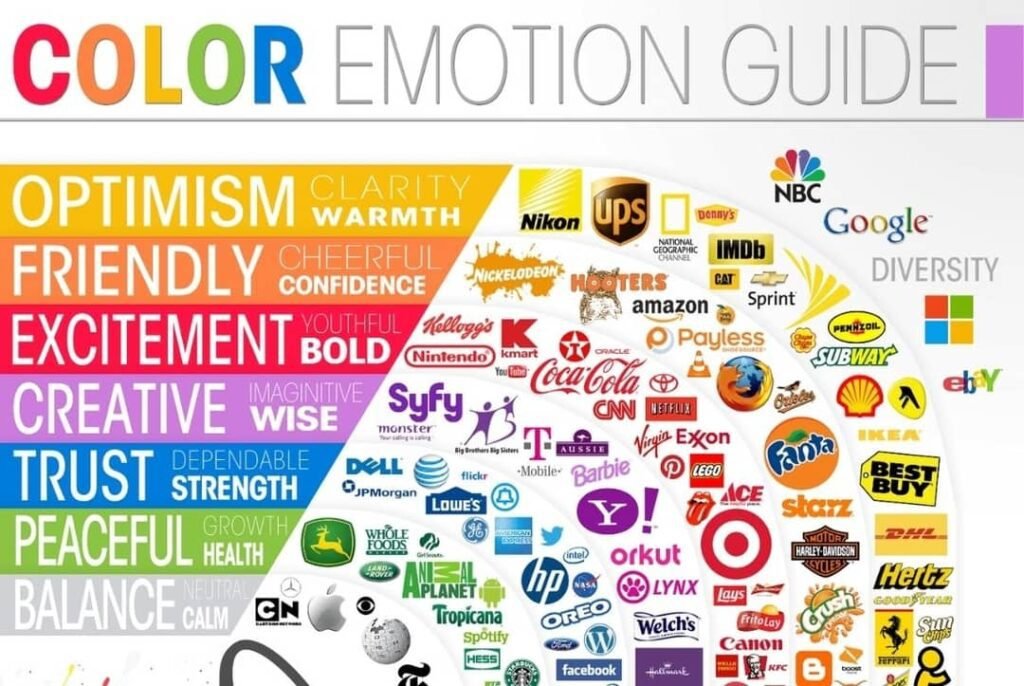
Colors have a tremendous power independently. Psychology of Color states that different shades and hues can trigger emotions from viewers, influencing their behaviour. The intention behind selecting the design color palette for your design has two goals one is to get the desired reaction from your customers, and secondly, to improve the brand’s recognition.Web colors represent digitally many colors that are utilized to design websites as well as various other design-related digital projects. The colors are utilized to communicate a variety of messages, ranging from energy and excitement to sophistication and confidence. Web colors are generally described as being one of 16 million colors, which include yellow, red, orange blue, green, purple and pink
06. Choose one font
It is recommended to choose webIf you’re looking to design an alphabetic, wordmark or combination of both, you’ll have to think about which are the most suitable fonts to use to use for designing your brand. Like your selection of color, the choice of fonts should enhance your logo’s appeal and impact. There are a myriad of fonts to choose from You can begin by determining certain basic typeface families like serif, sans-serif and script, or highly stylized fonts.
safe fonts when you design your logo. Safe fonts for web are ones that are readily available on every operating system and device which makes them a great option for designers looking to ensure that their final logo looks the same across all platforms. Although there isn’t a absolute list of safe web fonts, some of the most popular options are Arial, Verdana, Georgia, Times New Roman, and Courier New.
The font you choose to use can be applied to your logo in a variety of ways. A minimalist design could necessitate you to incorporate simple serif and sans serif typeface, something simple, clear and easy to read. If you’re working with an e-logo that same need for a simple and clear font could be present, but you’ll also have to think about an alignment or balance between the imagery and text.
Sometimes typography is used in different ways, which can make it an interesting design element by itself. In recent times, a number of brands are trying to create wordmarks or letters with text that is overlapping or embellished fonts that are distinctive. The emphasis of fonts is a crucial idea to think about when designing the typography of your logo. It refers to the degree of weight is given to certain words or characters within the design. By focusing on fonts designers can focus attention on specific words, making them stand apart from the text.
07.Outline a Logo shape
When your logo is forming think about the shapes you’ll incorporate into the design. Shapes for logos can be utilized in many ways, from the overall design to tiny details within your overall layout. Shapes play an important impact on perception, and can make logos instantly recognisable.
Understanding the psychology behind logos and the effect shapes affect emotions will allow you to create a powerful logo that conveys your brand’s message in a meaningful way.
Every shape can be classified according to three types:
Geometric forms are created by the unique combination of points, lines and curves. They are usually geometrically symmetrical. These are triangles, circles as well as squares, rectangles and lines.
Organic forms, also known as free forms refer to any type of naturally occurring shape. They are typically irregular and irregular and asymmetrical. Organic shapes can be found in flowers, leaves, water droplets and other forms found in nature. They also have spirals, rounded edges, and curving shapes.
abstract shapes don’t adhere to any specific rules and are able to take on a variety of shapes. Sometimes, they are created by combining existing elements or by creating something entirely new abstract shapes are fantastic for telling stories or stirring emotions. abstract logos are thought-provoking and enthralling. But remember that they must be able to convey your brand’s image
08. Create a Logo
DIY (DIY) designing a logo is a fantastic method of creating a powerful logo without having to use costly professional services. If you know the way design elements like colors, fonts forms, kerning, outlines and silhouettes function together and anyone who has the ability to use a tool for logo creation can design a striking logo that will attract attention and distinguish itself from other logos.
After you’ve sketched out your components and outlined your ideas, you can open your Logo Maker, become your own creator and put everything together until your logo’s vision is realized.
The platform employs AI in order to help you through each step (see our guide to the best AI creators of logos for further AI applications). The process starts with a series of questions that are similar to the ones we’ve discussed above, and asking you to enter the name of your business, define your brand’s identity, and determine the style and character of your brand. Following that, it’ll create a set of results that you can select from and modify to further customize.
When you’re working alongside a graphic artist, this is the moment where you share your ideas, and leave them to making a logo sample possibilities to begin with. They will then supply you with a mockup of the logo. This is an important aspect of the process because it lets designers visualize how their designs appear in real-world situations. Mockups assist designers and their clients imagine how their logos would appear in different sizes and how they can be utilized in various contexts. Based on how the logo is utilized mockups are a great way to get an improved understanding of how a design will appear in different situations.
09. Results can be refined
It’s possible that you’ll be able to nail your logo’s design in one go, but it’s more likely you’ll need to return to the choices made by the logo creator or graphic designer to further refine and tailor your final results.
This is where you’ll be editing and polishing the logo’s design options. Make use of the tools that are available to tweak your layout, size colors, font form, style, and imagery until you achieve the result you’re looking for. how to make your logo.
Professional graphic design software can play an important role in helping users refine their logos. This means that users can alter images, design intricate logos and designs and even create animations easily, so make use of the tools for your benefit. The most popular examples of software are Adobe Photoshop, Adobe Illustrator as well as For Shop International. how to make your own logo.
Make sure you review your image in every one the formats that the final image will appear in. The file formats dictate the way in which your final image will appear both online and in print. Different types of file formats are used to create logos, based on the method in which it is to be utilized. For example, .jpg, .png, .svg and .eps file formats are typically used for printing media, and .gif as well as . webp file formats are most commonly employed in online and mobile media. It is essential to consider the way in which your logo will be utilized prior to deciding on the format of your file, since it will ensure that the logo looks the best regardless of how it’s seen. It’s not uncommon to find your logo stored in a variety of different formats.
10. Make a Final Decision
If you’ve found designs you like It’s time to make a the final decision about your logo.
If your social presence is active, you could gain more feedback from your followers (or for items such as the church’s logos You can also request church members to participate). You can try posting the results on your feed and inviting users to vote on the choices. It’s not just the best way to gauge what the public thinks about it and reacts, it’s also a great strategy to create brand awareness for your brand’s new brand’s visual identity.
Peer review is an essential part of the process of reviewing logo designs because it allows designers or anyone else who has designed logos, to receive opinions from others about the ways in which their designs could be improved. This helps to ensure the logo’s is in line with specifications, looks professional, and conveys the intended message to the intended audience.
The peer-review should provide comments on how various elements like hue, font accent, kerning, forms and silhouettes function together. The review should also ask what the logo’s appearance makes people feel. While it’s your brand and you’ve got the final decision, it’s a good idea to show your logo to trusted associates, friends or family members to gauge their reactions. Gathering multiple opinions is essential.
After you’ve received all of this feedback, you’re free to use it or decide to leave it. Be aware that some of these people could be your ideal target audience It will be intriguing (not to mention beneficial) to listen to their opinions before you reach a decision.The last thing to do is consider your findings and pick a logo that is both appealing to your target audience and is in line with the vision of your business. This is the time to ensure that it is consistent with your brand’s guidelines for style and also. Do not compromise on anything less than the brand logo of your dreams.
11. Use your logo to work
Your logo is one you like, now it’s time to implement it. Begin by downloading high-quality images that represent your brand. PNG and JPG files work great on your site and other social networks. A vector file (SVG or PDF) will allow for more scalability–ensuring the quality of your logo’s image at any size and across printed materials. Read our comprehensive information on logo dimensions to get more details.
After your logo’s files have been downloaded, you can apply it to all of the marketing assets of your company. This includes your business cards, website packaging materials, and everything else that you wish to have branded. When your logo’s design is too complicated for a few of these areas you could make a more simple variable logo to go with it. This is particularly useful when it comes to your web site’s Favicon or YouTube image as well as for packaging where the logo’s real estate is less.
Include your logo and any specifications to be used in the future in your style guide for your brand. It will help ensure your company’s style and appearance is consistent even as it grows and develop.
What makes a good logo: top tips
Although the majority of your logo’s design will develop throughout the process of creating it However, there are certain essential guidelines for logo design to remember at the very beginning. When you are preparing to be an individual graphic design expert keep the following top guidelines that will are essential to a successful logo:
Simplicity
The expression “less is more” has never been more appropriate. Most of the time the logos with the least complexity are the most easy to identify So, try to create logos with a clear message that’s easy to relate to. It’s equally important that the appearance is clear and uncluttered to ensure that it appears appealing regardless of the size, medium or background. It ought to look nice on your website, prints, (where appropriate) or on a piece of swag, or wherever you’d like to put it.
The representation of your brand’s identity
Your logo must appeal to your intended audience and convey your company’s values. Be sure that the elements you choose to use in your logo’s design are appropriate to your business and accurately reflect your brand. To achieve this, you’ll have think about your brand’s goals, values, mission and overall image.
Originality and memory
One of the major goals of creating a logo will be to create your brand’s image and help it to stand out. It should adhere to your brand’s values, and be distinctive. A distinctive logo can be more memorable.
Timeless
You might want to change your logo as time passes, but you should make sure to design the logo as though it were your first. If you focus on the quality of your work and avoiding designs that are fashionable, you’ll be able to design a logo that can stay with you over the years. You’ll always be able to explore trends and take a look at what’s in store for the the future for logosto stay on top of what’s relevant and still have a style that is timeless. Iconic logos have a long-lasting appeal.
Versatility
You’ll need a logo that is attractive regardless of where it’s put. A logo that is able to be changed in size and used across different media right from the beginning will boost your brand’s visibility, and also avoid unwelcome restrictions.
Professionalism
A professionally designed logo makes an impression that is strong and represents your brand in a positive way. It demonstrates to people that your business is reliable and reputable. If your logo appears professional It makes your brand appear more polished and appealing to both customers and coworkers alike.
Fluidity
Fluidity Fluidity is an important element to think about when creating the logo. It’s the way in which parts of the layout are able to flow in a way that creates a coherent and harmonious design. A logo with fluidity can look appealing because the elements are in sync to produce a pleasing style.
Readability
This is a crucial aspect when it comes to selecting fonts for logos. When designing a logo designers must consider the ease with which the design will be read, and how fast viewers are able to process the information. Logos should be designed in a manner that it’s legible and understandable in glance.
Font weight
The term “font weight” refers to the thickness and thickness a font is as well as how bold its characters appear. Different font weights are able for making text pop out, or blend to the background based on the effect desired and the type of visual identity that is needed. For instance, a strong font weight might be appropriate for text that is meant to make it stand out and a light font weight could be used for small particulars.
Kerning This design principle is used to change the spacing between characters to give an aesthetic appearance. With Kerning design, designers can ensure that the text appears consistent and balanced. It also aids in improving reading comprehension by making sure that the characters don’t look too close or distant from each other.